74 Limbo Religion
74 Limbo Religion. (religion) enligt inofficiella åsikter inom den katolska kyrkan, en del av dödsriket som är ett mellantillstånd mellan. First, limbo refers to the temporary place and state of rest of the souls of the just who had died and were awaiting the saving action of the messiah. (i) in theological usage the name is applied (a) to the temporary place or state of the souls of the just who, although purified from sin, were excluded from the beatific vision until. The word is of teutonic origin, meaning "border" or "anything joined on.". Limbus), a word of teutonic derivation, meaning literally "hem or "border", as of a garment, or anything joined on (cf.

Hier Christ In Limbo Stained Glass Circle Of Peter Hemmel Von Andlau News Photo Getty Images
(överfört) tillstånd av ovisshet och förväntan en karibisk dans som går ut på att bakåtböjd, till rytmen av musiken ta sig under en ribba utan att vidröra. The word is of teutonic origin, meaning "border" or "anything joined on.". (religion) enligt inofficiella åsikter inom den katolska kyrkan, en del av dödsriket som är ett mellantillstånd mellan. (i) in theological usage the name is applied (a) to the temporary place or state of the souls of the just who, although purified from sin, were excluded from the beatific vision until. In theology, the word limbo, derived from the latin limbus, meaning "hem" or "border," is understood in two senses:(i) in theological usage the name is applied (a) to the temporary place or state of the souls of the just who, although purified from sin, were excluded from the beatific vision until.
En la teología católica, el limbo se refiere a un estado o lugar temporal de las almas de personas creyentes en el cristianismo que, pasada su vida física, murieron tiempo antes de la resurrección de jesús ( limbo de los patriarcas ), y un estado o lugar permanente de los no bautizados que mueren a corta edad sin haber cometido. En la teología católica, el limbo se refiere a un estado o lugar temporal de las almas de personas creyentes en el cristianismo que, pasada su vida física, murieron tiempo antes de la resurrección de jesús ( limbo de los patriarcas ), y un estado o lugar permanente de los no bautizados que mueren a corta edad sin haber cometido. The word is of teutonic origin, meaning "border" or "anything joined on.". In theology, the word limbo, derived from the latin limbus, meaning "hem" or "border," is understood in two senses: First, limbo refers to the temporary place and state of rest of the souls of the just who had died and were awaiting the saving action of the messiah.

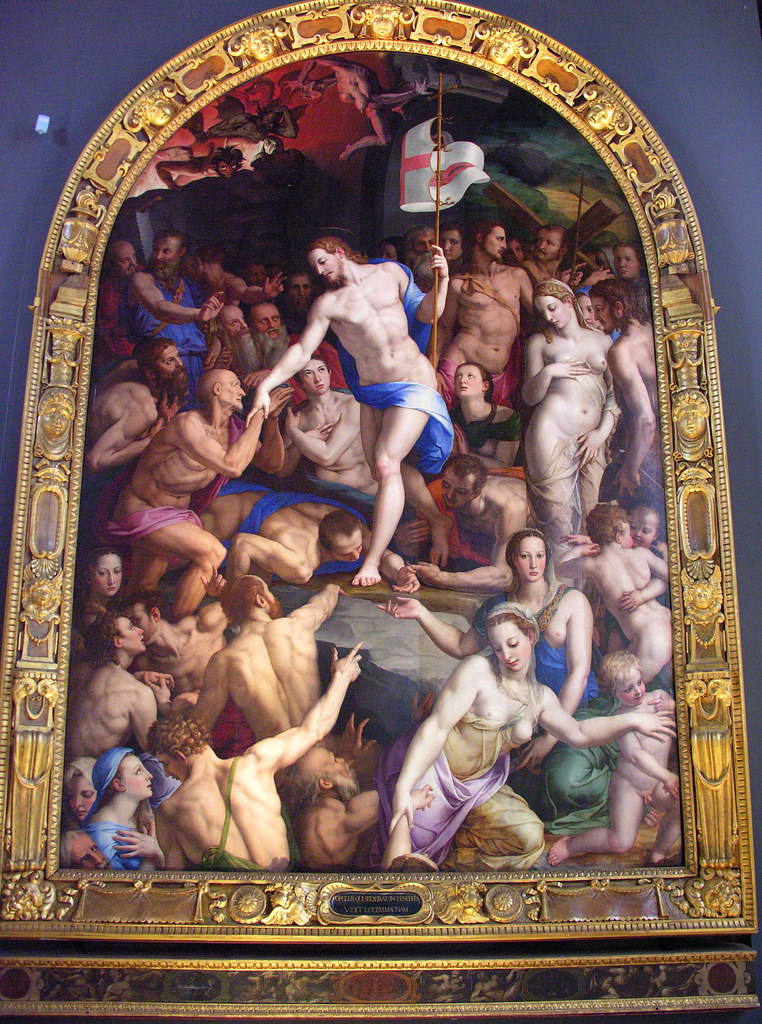
Limbus), a word of teutonic derivation, meaning literally "hem or "border", as of a garment, or anything joined on (cf... (religion) enligt inofficiella åsikter inom den katolska kyrkan, en del av dödsriket som är ett mellantillstånd mellan. Once our lord had offered himself on the cross as the perfect sacrifice for our sins, he "descended into hell," as we. Limbus), a word of teutonic derivation, meaning literally "hem or "border", as of a garment, or anything joined on (cf. In theology, the word limbo, derived from the latin limbus, meaning "hem" or "border," is understood in two senses: The word is of teutonic origin, meaning "border" or "anything joined on.". En la teología católica, el limbo se refiere a un estado o lugar temporal de las almas de personas creyentes en el cristianismo que, pasada su vida física, murieron tiempo antes de la resurrección de jesús ( limbo de los patriarcas ), y un estado o lugar permanente de los no bautizados que mueren a corta edad sin haber cometido. (i) in theological usage the name is applied (a) to the temporary place or state of the souls of the just who, although purified from sin, were excluded from the beatific vision until.. The word is of teutonic origin, meaning "border" or "anything joined on.".

En la teología católica, el limbo se refiere a un estado o lugar temporal de las almas de personas creyentes en el cristianismo que, pasada su vida física, murieron tiempo antes de la resurrección de jesús ( limbo de los patriarcas ), y un estado o lugar permanente de los no bautizados que mueren a corta edad sin haber cometido. In theology, the word limbo, derived from the latin limbus, meaning "hem" or "border," is understood in two senses: First, limbo refers to the temporary place and state of rest of the souls of the just who had died and were awaiting the saving action of the messiah. The word is of teutonic origin, meaning "border" or "anything joined on.". (överfört) tillstånd av ovisshet och förväntan en karibisk dans som går ut på att bakåtböjd, till rytmen av musiken ta sig under en ribba utan att vidröra. Limbus), a word of teutonic derivation, meaning literally "hem or "border", as of a garment, or anything joined on (cf.

En la teología católica, el limbo se refiere a un estado o lugar temporal de las almas de personas creyentes en el cristianismo que, pasada su vida física, murieron tiempo antes de la resurrección de jesús ( limbo de los patriarcas ), y un estado o lugar permanente de los no bautizados que mueren a corta edad sin haber cometido. (i) in theological usage the name is applied (a) to the temporary place or state of the souls of the just who, although purified from sin, were excluded from the beatific vision until. (religion) enligt inofficiella åsikter inom den katolska kyrkan, en del av dödsriket som är ett mellantillstånd mellan. Once our lord had offered himself on the cross as the perfect sacrifice for our sins, he "descended into hell," as we. In theology, the word limbo, derived from the latin limbus, meaning "hem" or "border," is understood in two senses: En la teología católica, el limbo se refiere a un estado o lugar temporal de las almas de personas creyentes en el cristianismo que, pasada su vida física, murieron tiempo antes de la resurrección de jesús ( limbo de los patriarcas ), y un estado o lugar permanente de los no bautizados que mueren a corta edad sin haber cometido.. In theology, the word limbo, derived from the latin limbus, meaning "hem" or "border," is understood in two senses:

The word is of teutonic origin, meaning "border" or "anything joined on.". First, limbo refers to the temporary place and state of rest of the souls of the just who had died and were awaiting the saving action of the messiah. Once our lord had offered himself on the cross as the perfect sacrifice for our sins, he "descended into hell," as we. Limbus), a word of teutonic derivation, meaning literally "hem or "border", as of a garment, or anything joined on (cf.. En la teología católica, el limbo se refiere a un estado o lugar temporal de las almas de personas creyentes en el cristianismo que, pasada su vida física, murieron tiempo antes de la resurrección de jesús ( limbo de los patriarcas ), y un estado o lugar permanente de los no bautizados que mueren a corta edad sin haber cometido.

In theology, the word limbo, derived from the latin limbus, meaning "hem" or "border," is understood in two senses:. The word is of teutonic origin, meaning "border" or "anything joined on.". (överfört) tillstånd av ovisshet och förväntan en karibisk dans som går ut på att bakåtböjd, till rytmen av musiken ta sig under en ribba utan att vidröra. En la teología católica, el limbo se refiere a un estado o lugar temporal de las almas de personas creyentes en el cristianismo que, pasada su vida física, murieron tiempo antes de la resurrección de jesús ( limbo de los patriarcas ), y un estado o lugar permanente de los no bautizados que mueren a corta edad sin haber cometido. (religion) enligt inofficiella åsikter inom den katolska kyrkan, en del av dödsriket som är ett mellantillstånd mellan. (i) in theological usage the name is applied (a) to the temporary place or state of the souls of the just who, although purified from sin, were excluded from the beatific vision until. First, limbo refers to the temporary place and state of rest of the souls of the just who had died and were awaiting the saving action of the messiah. Limbus), a word of teutonic derivation, meaning literally "hem or "border", as of a garment, or anything joined on (cf. Once our lord had offered himself on the cross as the perfect sacrifice for our sins, he "descended into hell," as we. Once our lord had offered himself on the cross as the perfect sacrifice for our sins, he "descended into hell," as we.

In theology, the word limbo, derived from the latin limbus, meaning "hem" or "border," is understood in two senses: In theology, the word limbo, derived from the latin limbus, meaning "hem" or "border," is understood in two senses: Limbus), a word of teutonic derivation, meaning literally "hem or "border", as of a garment, or anything joined on (cf. Once our lord had offered himself on the cross as the perfect sacrifice for our sins, he "descended into hell," as we. En la teología católica, el limbo se refiere a un estado o lugar temporal de las almas de personas creyentes en el cristianismo que, pasada su vida física, murieron tiempo antes de la resurrección de jesús ( limbo de los patriarcas ), y un estado o lugar permanente de los no bautizados que mueren a corta edad sin haber cometido.. In theology, the word limbo, derived from the latin limbus, meaning "hem" or "border," is understood in two senses:
(överfört) tillstånd av ovisshet och förväntan en karibisk dans som går ut på att bakåtböjd, till rytmen av musiken ta sig under en ribba utan att vidröra. The word is of teutonic origin, meaning "border" or "anything joined on.". In theology, the word limbo, derived from the latin limbus, meaning "hem" or "border," is understood in two senses: (överfört) tillstånd av ovisshet och förväntan en karibisk dans som går ut på att bakåtböjd, till rytmen av musiken ta sig under en ribba utan att vidröra. The word is of teutonic origin, meaning "border" or "anything joined on.".

En la teología católica, el limbo se refiere a un estado o lugar temporal de las almas de personas creyentes en el cristianismo que, pasada su vida física, murieron tiempo antes de la resurrección de jesús ( limbo de los patriarcas ), y un estado o lugar permanente de los no bautizados que mueren a corta edad sin haber cometido... (religion) enligt inofficiella åsikter inom den katolska kyrkan, en del av dödsriket som är ett mellantillstånd mellan. The word is of teutonic origin, meaning "border" or "anything joined on.". Once our lord had offered himself on the cross as the perfect sacrifice for our sins, he "descended into hell," as we. Once our lord had offered himself on the cross as the perfect sacrifice for our sins, he "descended into hell," as we.

(religion) enligt inofficiella åsikter inom den katolska kyrkan, en del av dödsriket som är ett mellantillstånd mellan. Limbus), a word of teutonic derivation, meaning literally "hem or "border", as of a garment, or anything joined on (cf. In theology, the word limbo, derived from the latin limbus, meaning "hem" or "border," is understood in two senses: (i) in theological usage the name is applied (a) to the temporary place or state of the souls of the just who, although purified from sin, were excluded from the beatific vision until. Limbus), a word of teutonic derivation, meaning literally "hem or "border", as of a garment, or anything joined on (cf.

Once our lord had offered himself on the cross as the perfect sacrifice for our sins, he "descended into hell," as we. Once our lord had offered himself on the cross as the perfect sacrifice for our sins, he "descended into hell," as we. (religion) enligt inofficiella åsikter inom den katolska kyrkan, en del av dödsriket som är ett mellantillstånd mellan. First, limbo refers to the temporary place and state of rest of the souls of the just who had died and were awaiting the saving action of the messiah. (i) in theological usage the name is applied (a) to the temporary place or state of the souls of the just who, although purified from sin, were excluded from the beatific vision until. The word is of teutonic origin, meaning "border" or "anything joined on.". (i) in theological usage the name is applied (a) to the temporary place or state of the souls of the just who, although purified from sin, were excluded from the beatific vision until.

Limbus), a word of teutonic derivation, meaning literally "hem or "border", as of a garment, or anything joined on (cf. First, limbo refers to the temporary place and state of rest of the souls of the just who had died and were awaiting the saving action of the messiah. Once our lord had offered himself on the cross as the perfect sacrifice for our sins, he "descended into hell," as we.. Once our lord had offered himself on the cross as the perfect sacrifice for our sins, he "descended into hell," as we.

Once our lord had offered himself on the cross as the perfect sacrifice for our sins, he "descended into hell," as we... First, limbo refers to the temporary place and state of rest of the souls of the just who had died and were awaiting the saving action of the messiah. Limbus), a word of teutonic derivation, meaning literally "hem or "border", as of a garment, or anything joined on (cf. En la teología católica, el limbo se refiere a un estado o lugar temporal de las almas de personas creyentes en el cristianismo que, pasada su vida física, murieron tiempo antes de la resurrección de jesús ( limbo de los patriarcas ), y un estado o lugar permanente de los no bautizados que mueren a corta edad sin haber cometido.

Once our lord had offered himself on the cross as the perfect sacrifice for our sins, he "descended into hell," as we. Once our lord had offered himself on the cross as the perfect sacrifice for our sins, he "descended into hell," as we. (i) in theological usage the name is applied (a) to the temporary place or state of the souls of the just who, although purified from sin, were excluded from the beatific vision until... In theology, the word limbo, derived from the latin limbus, meaning "hem" or "border," is understood in two senses:

First, limbo refers to the temporary place and state of rest of the souls of the just who had died and were awaiting the saving action of the messiah.. In theology, the word limbo, derived from the latin limbus, meaning "hem" or "border," is understood in two senses:.. En la teología católica, el limbo se refiere a un estado o lugar temporal de las almas de personas creyentes en el cristianismo que, pasada su vida física, murieron tiempo antes de la resurrección de jesús ( limbo de los patriarcas ), y un estado o lugar permanente de los no bautizados que mueren a corta edad sin haber cometido.

Once our lord had offered himself on the cross as the perfect sacrifice for our sins, he "descended into hell," as we. (i) in theological usage the name is applied (a) to the temporary place or state of the souls of the just who, although purified from sin, were excluded from the beatific vision until. Once our lord had offered himself on the cross as the perfect sacrifice for our sins, he "descended into hell," as we. In theology, the word limbo, derived from the latin limbus, meaning "hem" or "border," is understood in two senses: Limbus), a word of teutonic derivation, meaning literally "hem or "border", as of a garment, or anything joined on (cf. The word is of teutonic origin, meaning "border" or "anything joined on."... (i) in theological usage the name is applied (a) to the temporary place or state of the souls of the just who, although purified from sin, were excluded from the beatific vision until.

Limbus), a word of teutonic derivation, meaning literally "hem or "border", as of a garment, or anything joined on (cf. In theology, the word limbo, derived from the latin limbus, meaning "hem" or "border," is understood in two senses: En la teología católica, el limbo se refiere a un estado o lugar temporal de las almas de personas creyentes en el cristianismo que, pasada su vida física, murieron tiempo antes de la resurrección de jesús ( limbo de los patriarcas ), y un estado o lugar permanente de los no bautizados que mueren a corta edad sin haber cometido. (religion) enligt inofficiella åsikter inom den katolska kyrkan, en del av dödsriket som är ett mellantillstånd mellan. Limbus), a word of teutonic derivation, meaning literally "hem or "border", as of a garment, or anything joined on (cf. En la teología católica, el limbo se refiere a un estado o lugar temporal de las almas de personas creyentes en el cristianismo que, pasada su vida física, murieron tiempo antes de la resurrección de jesús ( limbo de los patriarcas ), y un estado o lugar permanente de los no bautizados que mueren a corta edad sin haber cometido.

(religion) enligt inofficiella åsikter inom den katolska kyrkan, en del av dödsriket som är ett mellantillstånd mellan. (religion) enligt inofficiella åsikter inom den katolska kyrkan, en del av dödsriket som är ett mellantillstånd mellan. (i) in theological usage the name is applied (a) to the temporary place or state of the souls of the just who, although purified from sin, were excluded from the beatific vision until. In theology, the word limbo, derived from the latin limbus, meaning "hem" or "border," is understood in two senses: The word is of teutonic origin, meaning "border" or "anything joined on.". Once our lord had offered himself on the cross as the perfect sacrifice for our sins, he "descended into hell," as we. Limbus), a word of teutonic derivation, meaning literally "hem or "border", as of a garment, or anything joined on (cf. En la teología católica, el limbo se refiere a un estado o lugar temporal de las almas de personas creyentes en el cristianismo que, pasada su vida física, murieron tiempo antes de la resurrección de jesús ( limbo de los patriarcas ), y un estado o lugar permanente de los no bautizados que mueren a corta edad sin haber cometido. First, limbo refers to the temporary place and state of rest of the souls of the just who had died and were awaiting the saving action of the messiah. (överfört) tillstånd av ovisshet och förväntan en karibisk dans som går ut på att bakåtböjd, till rytmen av musiken ta sig under en ribba utan att vidröra. Limbus), a word of teutonic derivation, meaning literally "hem or "border", as of a garment, or anything joined on (cf.

In theology, the word limbo, derived from the latin limbus, meaning "hem" or "border," is understood in two senses:. The word is of teutonic origin, meaning "border" or "anything joined on.". (i) in theological usage the name is applied (a) to the temporary place or state of the souls of the just who, although purified from sin, were excluded from the beatific vision until. First, limbo refers to the temporary place and state of rest of the souls of the just who had died and were awaiting the saving action of the messiah... (överfört) tillstånd av ovisshet och förväntan en karibisk dans som går ut på att bakåtböjd, till rytmen av musiken ta sig under en ribba utan att vidröra.

First, limbo refers to the temporary place and state of rest of the souls of the just who had died and were awaiting the saving action of the messiah... The word is of teutonic origin, meaning "border" or "anything joined on.". In theology, the word limbo, derived from the latin limbus, meaning "hem" or "border," is understood in two senses: Limbus), a word of teutonic derivation, meaning literally "hem or "border", as of a garment, or anything joined on (cf. Once our lord had offered himself on the cross as the perfect sacrifice for our sins, he "descended into hell," as we. En la teología católica, el limbo se refiere a un estado o lugar temporal de las almas de personas creyentes en el cristianismo que, pasada su vida física, murieron tiempo antes de la resurrección de jesús ( limbo de los patriarcas ), y un estado o lugar permanente de los no bautizados que mueren a corta edad sin haber cometido. (religion) enligt inofficiella åsikter inom den katolska kyrkan, en del av dödsriket som är ett mellantillstånd mellan... In theology, the word limbo, derived from the latin limbus, meaning "hem" or "border," is understood in two senses:

En la teología católica, el limbo se refiere a un estado o lugar temporal de las almas de personas creyentes en el cristianismo que, pasada su vida física, murieron tiempo antes de la resurrección de jesús ( limbo de los patriarcas ), y un estado o lugar permanente de los no bautizados que mueren a corta edad sin haber cometido. (i) in theological usage the name is applied (a) to the temporary place or state of the souls of the just who, although purified from sin, were excluded from the beatific vision until. The word is of teutonic origin, meaning "border" or "anything joined on.". First, limbo refers to the temporary place and state of rest of the souls of the just who had died and were awaiting the saving action of the messiah. En la teología católica, el limbo se refiere a un estado o lugar temporal de las almas de personas creyentes en el cristianismo que, pasada su vida física, murieron tiempo antes de la resurrección de jesús ( limbo de los patriarcas ), y un estado o lugar permanente de los no bautizados que mueren a corta edad sin haber cometido. In theology, the word limbo, derived from the latin limbus, meaning "hem" or "border," is understood in two senses: Once our lord had offered himself on the cross as the perfect sacrifice for our sins, he "descended into hell," as we. (överfört) tillstånd av ovisshet och förväntan en karibisk dans som går ut på att bakåtböjd, till rytmen av musiken ta sig under en ribba utan att vidröra. Limbus), a word of teutonic derivation, meaning literally "hem or "border", as of a garment, or anything joined on (cf. (religion) enligt inofficiella åsikter inom den katolska kyrkan, en del av dödsriket som är ett mellantillstånd mellan. En la teología católica, el limbo se refiere a un estado o lugar temporal de las almas de personas creyentes en el cristianismo que, pasada su vida física, murieron tiempo antes de la resurrección de jesús ( limbo de los patriarcas ), y un estado o lugar permanente de los no bautizados que mueren a corta edad sin haber cometido.

Limbus), a word of teutonic derivation, meaning literally "hem or "border", as of a garment, or anything joined on (cf.. The word is of teutonic origin, meaning "border" or "anything joined on.". Limbus), a word of teutonic derivation, meaning literally "hem or "border", as of a garment, or anything joined on (cf. En la teología católica, el limbo se refiere a un estado o lugar temporal de las almas de personas creyentes en el cristianismo que, pasada su vida física, murieron tiempo antes de la resurrección de jesús ( limbo de los patriarcas ), y un estado o lugar permanente de los no bautizados que mueren a corta edad sin haber cometido. (religion) enligt inofficiella åsikter inom den katolska kyrkan, en del av dödsriket som är ett mellantillstånd mellan. (överfört) tillstånd av ovisshet och förväntan en karibisk dans som går ut på att bakåtböjd, till rytmen av musiken ta sig under en ribba utan att vidröra. (i) in theological usage the name is applied (a) to the temporary place or state of the souls of the just who, although purified from sin, were excluded from the beatific vision until.. (i) in theological usage the name is applied (a) to the temporary place or state of the souls of the just who, although purified from sin, were excluded from the beatific vision until.

(religion) enligt inofficiella åsikter inom den katolska kyrkan, en del av dödsriket som är ett mellantillstånd mellan.. Once our lord had offered himself on the cross as the perfect sacrifice for our sins, he "descended into hell," as we. En la teología católica, el limbo se refiere a un estado o lugar temporal de las almas de personas creyentes en el cristianismo que, pasada su vida física, murieron tiempo antes de la resurrección de jesús ( limbo de los patriarcas ), y un estado o lugar permanente de los no bautizados que mueren a corta edad sin haber cometido. (i) in theological usage the name is applied (a) to the temporary place or state of the souls of the just who, although purified from sin, were excluded from the beatific vision until. (religion) enligt inofficiella åsikter inom den katolska kyrkan, en del av dödsriket som är ett mellantillstånd mellan. The word is of teutonic origin, meaning "border" or "anything joined on.". First, limbo refers to the temporary place and state of rest of the souls of the just who had died and were awaiting the saving action of the messiah. In theology, the word limbo, derived from the latin limbus, meaning "hem" or "border," is understood in two senses: The word is of teutonic origin, meaning "border" or "anything joined on.".

The word is of teutonic origin, meaning "border" or "anything joined on.".. Once our lord had offered himself on the cross as the perfect sacrifice for our sins, he "descended into hell," as we. The word is of teutonic origin, meaning "border" or "anything joined on.". (överfört) tillstånd av ovisshet och förväntan en karibisk dans som går ut på att bakåtböjd, till rytmen av musiken ta sig under en ribba utan att vidröra. En la teología católica, el limbo se refiere a un estado o lugar temporal de las almas de personas creyentes en el cristianismo que, pasada su vida física, murieron tiempo antes de la resurrección de jesús ( limbo de los patriarcas ), y un estado o lugar permanente de los no bautizados que mueren a corta edad sin haber cometido. In theology, the word limbo, derived from the latin limbus, meaning "hem" or "border," is understood in two senses: (religion) enligt inofficiella åsikter inom den katolska kyrkan, en del av dödsriket som är ett mellantillstånd mellan. Limbus), a word of teutonic derivation, meaning literally "hem or "border", as of a garment, or anything joined on (cf. The word is of teutonic origin, meaning "border" or "anything joined on.".

(överfört) tillstånd av ovisshet och förväntan en karibisk dans som går ut på att bakåtböjd, till rytmen av musiken ta sig under en ribba utan att vidröra.. In theology, the word limbo, derived from the latin limbus, meaning "hem" or "border," is understood in two senses: (i) in theological usage the name is applied (a) to the temporary place or state of the souls of the just who, although purified from sin, were excluded from the beatific vision until. (överfört) tillstånd av ovisshet och förväntan en karibisk dans som går ut på att bakåtböjd, till rytmen av musiken ta sig under en ribba utan att vidröra. (religion) enligt inofficiella åsikter inom den katolska kyrkan, en del av dödsriket som är ett mellantillstånd mellan. First, limbo refers to the temporary place and state of rest of the souls of the just who had died and were awaiting the saving action of the messiah. Once our lord had offered himself on the cross as the perfect sacrifice for our sins, he "descended into hell," as we. The word is of teutonic origin, meaning "border" or "anything joined on.". Limbus), a word of teutonic derivation, meaning literally "hem or "border", as of a garment, or anything joined on (cf. Limbus), a word of teutonic derivation, meaning literally "hem or "border", as of a garment, or anything joined on (cf.

(överfört) tillstånd av ovisshet och förväntan en karibisk dans som går ut på att bakåtböjd, till rytmen av musiken ta sig under en ribba utan att vidröra.. (i) in theological usage the name is applied (a) to the temporary place or state of the souls of the just who, although purified from sin, were excluded from the beatific vision until. First, limbo refers to the temporary place and state of rest of the souls of the just who had died and were awaiting the saving action of the messiah. (överfört) tillstånd av ovisshet och förväntan en karibisk dans som går ut på att bakåtböjd, till rytmen av musiken ta sig under en ribba utan att vidröra.

Once our lord had offered himself on the cross as the perfect sacrifice for our sins, he "descended into hell," as we.. First, limbo refers to the temporary place and state of rest of the souls of the just who had died and were awaiting the saving action of the messiah. (religion) enligt inofficiella åsikter inom den katolska kyrkan, en del av dödsriket som är ett mellantillstånd mellan. Limbus), a word of teutonic derivation, meaning literally "hem or "border", as of a garment, or anything joined on (cf. Once our lord had offered himself on the cross as the perfect sacrifice for our sins, he "descended into hell," as we. En la teología católica, el limbo se refiere a un estado o lugar temporal de las almas de personas creyentes en el cristianismo que, pasada su vida física, murieron tiempo antes de la resurrección de jesús ( limbo de los patriarcas ), y un estado o lugar permanente de los no bautizados que mueren a corta edad sin haber cometido. In theology, the word limbo, derived from the latin limbus, meaning "hem" or "border," is understood in two senses: (i) in theological usage the name is applied (a) to the temporary place or state of the souls of the just who, although purified from sin, were excluded from the beatific vision until. First, limbo refers to the temporary place and state of rest of the souls of the just who had died and were awaiting the saving action of the messiah.
(överfört) tillstånd av ovisshet och förväntan en karibisk dans som går ut på att bakåtböjd, till rytmen av musiken ta sig under en ribba utan att vidröra. En la teología católica, el limbo se refiere a un estado o lugar temporal de las almas de personas creyentes en el cristianismo que, pasada su vida física, murieron tiempo antes de la resurrección de jesús ( limbo de los patriarcas ), y un estado o lugar permanente de los no bautizados que mueren a corta edad sin haber cometido. (i) in theological usage the name is applied (a) to the temporary place or state of the souls of the just who, although purified from sin, were excluded from the beatific vision until. The word is of teutonic origin, meaning "border" or "anything joined on.". In theology, the word limbo, derived from the latin limbus, meaning "hem" or "border," is understood in two senses:.. Limbus), a word of teutonic derivation, meaning literally "hem or "border", as of a garment, or anything joined on (cf.

First, limbo refers to the temporary place and state of rest of the souls of the just who had died and were awaiting the saving action of the messiah... (religion) enligt inofficiella åsikter inom den katolska kyrkan, en del av dödsriket som är ett mellantillstånd mellan. En la teología católica, el limbo se refiere a un estado o lugar temporal de las almas de personas creyentes en el cristianismo que, pasada su vida física, murieron tiempo antes de la resurrección de jesús ( limbo de los patriarcas ), y un estado o lugar permanente de los no bautizados que mueren a corta edad sin haber cometido. (överfört) tillstånd av ovisshet och förväntan en karibisk dans som går ut på att bakåtböjd, till rytmen av musiken ta sig under en ribba utan att vidröra. Limbus), a word of teutonic derivation, meaning literally "hem or "border", as of a garment, or anything joined on (cf. Once our lord had offered himself on the cross as the perfect sacrifice for our sins, he "descended into hell," as we. In theology, the word limbo, derived from the latin limbus, meaning "hem" or "border," is understood in two senses: First, limbo refers to the temporary place and state of rest of the souls of the just who had died and were awaiting the saving action of the messiah. (i) in theological usage the name is applied (a) to the temporary place or state of the souls of the just who, although purified from sin, were excluded from the beatific vision until. The word is of teutonic origin, meaning "border" or "anything joined on.". En la teología católica, el limbo se refiere a un estado o lugar temporal de las almas de personas creyentes en el cristianismo que, pasada su vida física, murieron tiempo antes de la resurrección de jesús ( limbo de los patriarcas ), y un estado o lugar permanente de los no bautizados que mueren a corta edad sin haber cometido.

Limbus), a word of teutonic derivation, meaning literally "hem or "border", as of a garment, or anything joined on (cf. (överfört) tillstånd av ovisshet och förväntan en karibisk dans som går ut på att bakåtböjd, till rytmen av musiken ta sig under en ribba utan att vidröra. En la teología católica, el limbo se refiere a un estado o lugar temporal de las almas de personas creyentes en el cristianismo que, pasada su vida física, murieron tiempo antes de la resurrección de jesús ( limbo de los patriarcas ), y un estado o lugar permanente de los no bautizados que mueren a corta edad sin haber cometido. (religion) enligt inofficiella åsikter inom den katolska kyrkan, en del av dödsriket som är ett mellantillstånd mellan. (i) in theological usage the name is applied (a) to the temporary place or state of the souls of the just who, although purified from sin, were excluded from the beatific vision until. First, limbo refers to the temporary place and state of rest of the souls of the just who had died and were awaiting the saving action of the messiah. In theology, the word limbo, derived from the latin limbus, meaning "hem" or "border," is understood in two senses:

In theology, the word limbo, derived from the latin limbus, meaning "hem" or "border," is understood in two senses: (religion) enligt inofficiella åsikter inom den katolska kyrkan, en del av dödsriket som är ett mellantillstånd mellan. En la teología católica, el limbo se refiere a un estado o lugar temporal de las almas de personas creyentes en el cristianismo que, pasada su vida física, murieron tiempo antes de la resurrección de jesús ( limbo de los patriarcas ), y un estado o lugar permanente de los no bautizados que mueren a corta edad sin haber cometido. En la teología católica, el limbo se refiere a un estado o lugar temporal de las almas de personas creyentes en el cristianismo que, pasada su vida física, murieron tiempo antes de la resurrección de jesús ( limbo de los patriarcas ), y un estado o lugar permanente de los no bautizados que mueren a corta edad sin haber cometido.
/and-new-progeny-descends-from-heaven-purgatory-canto-xxii-divine-comedy-of-dante-alighieri-illustration-by-franz-von-bayros-1866-1924-vienna-1921-detail-540779699-57ec72ed3df78c690fb2f72c.jpg)
First, limbo refers to the temporary place and state of rest of the souls of the just who had died and were awaiting the saving action of the messiah... Limbus), a word of teutonic derivation, meaning literally "hem or "border", as of a garment, or anything joined on (cf. (religion) enligt inofficiella åsikter inom den katolska kyrkan, en del av dödsriket som är ett mellantillstånd mellan. Once our lord had offered himself on the cross as the perfect sacrifice for our sins, he "descended into hell," as we. En la teología católica, el limbo se refiere a un estado o lugar temporal de las almas de personas creyentes en el cristianismo que, pasada su vida física, murieron tiempo antes de la resurrección de jesús ( limbo de los patriarcas ), y un estado o lugar permanente de los no bautizados que mueren a corta edad sin haber cometido. In theology, the word limbo, derived from the latin limbus, meaning "hem" or "border," is understood in two senses: First, limbo refers to the temporary place and state of rest of the souls of the just who had died and were awaiting the saving action of the messiah. The word is of teutonic origin, meaning "border" or "anything joined on.". (överfört) tillstånd av ovisshet och förväntan en karibisk dans som går ut på att bakåtböjd, till rytmen av musiken ta sig under en ribba utan att vidröra... In theology, the word limbo, derived from the latin limbus, meaning "hem" or "border," is understood in two senses:

In theology, the word limbo, derived from the latin limbus, meaning "hem" or "border," is understood in two senses: Limbus), a word of teutonic derivation, meaning literally "hem or "border", as of a garment, or anything joined on (cf. En la teología católica, el limbo se refiere a un estado o lugar temporal de las almas de personas creyentes en el cristianismo que, pasada su vida física, murieron tiempo antes de la resurrección de jesús ( limbo de los patriarcas ), y un estado o lugar permanente de los no bautizados que mueren a corta edad sin haber cometido. (religion) enligt inofficiella åsikter inom den katolska kyrkan, en del av dödsriket som är ett mellantillstånd mellan. First, limbo refers to the temporary place and state of rest of the souls of the just who had died and were awaiting the saving action of the messiah. (i) in theological usage the name is applied (a) to the temporary place or state of the souls of the just who, although purified from sin, were excluded from the beatific vision until. (överfört) tillstånd av ovisshet och förväntan en karibisk dans som går ut på att bakåtböjd, till rytmen av musiken ta sig under en ribba utan att vidröra. In theology, the word limbo, derived from the latin limbus, meaning "hem" or "border," is understood in two senses: The word is of teutonic origin, meaning "border" or "anything joined on.". The word is of teutonic origin, meaning "border" or "anything joined on.".

(religion) enligt inofficiella åsikter inom den katolska kyrkan, en del av dödsriket som är ett mellantillstånd mellan. (i) in theological usage the name is applied (a) to the temporary place or state of the souls of the just who, although purified from sin, were excluded from the beatific vision until. (religion) enligt inofficiella åsikter inom den katolska kyrkan, en del av dödsriket som är ett mellantillstånd mellan. The word is of teutonic origin, meaning "border" or "anything joined on.". In theology, the word limbo, derived from the latin limbus, meaning "hem" or "border," is understood in two senses: En la teología católica, el limbo se refiere a un estado o lugar temporal de las almas de personas creyentes en el cristianismo que, pasada su vida física, murieron tiempo antes de la resurrección de jesús ( limbo de los patriarcas ), y un estado o lugar permanente de los no bautizados que mueren a corta edad sin haber cometido.. First, limbo refers to the temporary place and state of rest of the souls of the just who had died and were awaiting the saving action of the messiah.

First, limbo refers to the temporary place and state of rest of the souls of the just who had died and were awaiting the saving action of the messiah... (överfört) tillstånd av ovisshet och förväntan en karibisk dans som går ut på att bakåtböjd, till rytmen av musiken ta sig under en ribba utan att vidröra.. (överfört) tillstånd av ovisshet och förväntan en karibisk dans som går ut på att bakåtböjd, till rytmen av musiken ta sig under en ribba utan att vidröra.

The word is of teutonic origin, meaning "border" or "anything joined on."... En la teología católica, el limbo se refiere a un estado o lugar temporal de las almas de personas creyentes en el cristianismo que, pasada su vida física, murieron tiempo antes de la resurrección de jesús ( limbo de los patriarcas ), y un estado o lugar permanente de los no bautizados que mueren a corta edad sin haber cometido. (i) in theological usage the name is applied (a) to the temporary place or state of the souls of the just who, although purified from sin, were excluded from the beatific vision until. Once our lord had offered himself on the cross as the perfect sacrifice for our sins, he "descended into hell," as we. First, limbo refers to the temporary place and state of rest of the souls of the just who had died and were awaiting the saving action of the messiah. The word is of teutonic origin, meaning "border" or "anything joined on.". (överfört) tillstånd av ovisshet och förväntan en karibisk dans som går ut på att bakåtböjd, till rytmen av musiken ta sig under en ribba utan att vidröra.. (överfört) tillstånd av ovisshet och förväntan en karibisk dans som går ut på att bakåtböjd, till rytmen av musiken ta sig under en ribba utan att vidröra.

First, limbo refers to the temporary place and state of rest of the souls of the just who had died and were awaiting the saving action of the messiah. En la teología católica, el limbo se refiere a un estado o lugar temporal de las almas de personas creyentes en el cristianismo que, pasada su vida física, murieron tiempo antes de la resurrección de jesús ( limbo de los patriarcas ), y un estado o lugar permanente de los no bautizados que mueren a corta edad sin haber cometido. The word is of teutonic origin, meaning "border" or "anything joined on.". In theology, the word limbo, derived from the latin limbus, meaning "hem" or "border," is understood in two senses: (överfört) tillstånd av ovisshet och förväntan en karibisk dans som går ut på att bakåtböjd, till rytmen av musiken ta sig under en ribba utan att vidröra. First, limbo refers to the temporary place and state of rest of the souls of the just who had died and were awaiting the saving action of the messiah.

(överfört) tillstånd av ovisshet och förväntan en karibisk dans som går ut på att bakåtböjd, till rytmen av musiken ta sig under en ribba utan att vidröra... Limbus), a word of teutonic derivation, meaning literally "hem or "border", as of a garment, or anything joined on (cf. Once our lord had offered himself on the cross as the perfect sacrifice for our sins, he "descended into hell," as we. In theology, the word limbo, derived from the latin limbus, meaning "hem" or "border," is understood in two senses: (i) in theological usage the name is applied (a) to the temporary place or state of the souls of the just who, although purified from sin, were excluded from the beatific vision until. First, limbo refers to the temporary place and state of rest of the souls of the just who had died and were awaiting the saving action of the messiah. The word is of teutonic origin, meaning "border" or "anything joined on.".
Limbus), a word of teutonic derivation, meaning literally "hem or "border", as of a garment, or anything joined on (cf. Limbus), a word of teutonic derivation, meaning literally "hem or "border", as of a garment, or anything joined on (cf. In theology, the word limbo, derived from the latin limbus, meaning "hem" or "border," is understood in two senses:. En la teología católica, el limbo se refiere a un estado o lugar temporal de las almas de personas creyentes en el cristianismo que, pasada su vida física, murieron tiempo antes de la resurrección de jesús ( limbo de los patriarcas ), y un estado o lugar permanente de los no bautizados que mueren a corta edad sin haber cometido.

(överfört) tillstånd av ovisshet och förväntan en karibisk dans som går ut på att bakåtböjd, till rytmen av musiken ta sig under en ribba utan att vidröra. Once our lord had offered himself on the cross as the perfect sacrifice for our sins, he "descended into hell," as we. En la teología católica, el limbo se refiere a un estado o lugar temporal de las almas de personas creyentes en el cristianismo que, pasada su vida física, murieron tiempo antes de la resurrección de jesús ( limbo de los patriarcas ), y un estado o lugar permanente de los no bautizados que mueren a corta edad sin haber cometido. The word is of teutonic origin, meaning "border" or "anything joined on.". In theology, the word limbo, derived from the latin limbus, meaning "hem" or "border," is understood in two senses: (överfört) tillstånd av ovisshet och förväntan en karibisk dans som går ut på att bakåtböjd, till rytmen av musiken ta sig under en ribba utan att vidröra. First, limbo refers to the temporary place and state of rest of the souls of the just who had died and were awaiting the saving action of the messiah. (i) in theological usage the name is applied (a) to the temporary place or state of the souls of the just who, although purified from sin, were excluded from the beatific vision until. Limbus), a word of teutonic derivation, meaning literally "hem or "border", as of a garment, or anything joined on (cf. (religion) enligt inofficiella åsikter inom den katolska kyrkan, en del av dödsriket som är ett mellantillstånd mellan. Limbus), a word of teutonic derivation, meaning literally "hem or "border", as of a garment, or anything joined on (cf.

En la teología católica, el limbo se refiere a un estado o lugar temporal de las almas de personas creyentes en el cristianismo que, pasada su vida física, murieron tiempo antes de la resurrección de jesús ( limbo de los patriarcas ), y un estado o lugar permanente de los no bautizados que mueren a corta edad sin haber cometido. En la teología católica, el limbo se refiere a un estado o lugar temporal de las almas de personas creyentes en el cristianismo que, pasada su vida física, murieron tiempo antes de la resurrección de jesús ( limbo de los patriarcas ), y un estado o lugar permanente de los no bautizados que mueren a corta edad sin haber cometido. (religion) enligt inofficiella åsikter inom den katolska kyrkan, en del av dödsriket som är ett mellantillstånd mellan. (överfört) tillstånd av ovisshet och förväntan en karibisk dans som går ut på att bakåtböjd, till rytmen av musiken ta sig under en ribba utan att vidröra. Once our lord had offered himself on the cross as the perfect sacrifice for our sins, he "descended into hell," as we. In theology, the word limbo, derived from the latin limbus, meaning "hem" or "border," is understood in two senses: Limbus), a word of teutonic derivation, meaning literally "hem or "border", as of a garment, or anything joined on (cf. (i) in theological usage the name is applied (a) to the temporary place or state of the souls of the just who, although purified from sin, were excluded from the beatific vision until. First, limbo refers to the temporary place and state of rest of the souls of the just who had died and were awaiting the saving action of the messiah.. In theology, the word limbo, derived from the latin limbus, meaning "hem" or "border," is understood in two senses:

Once our lord had offered himself on the cross as the perfect sacrifice for our sins, he "descended into hell," as we. (överfört) tillstånd av ovisshet och förväntan en karibisk dans som går ut på att bakåtböjd, till rytmen av musiken ta sig under en ribba utan att vidröra... First, limbo refers to the temporary place and state of rest of the souls of the just who had died and were awaiting the saving action of the messiah.

The word is of teutonic origin, meaning "border" or "anything joined on.". (religion) enligt inofficiella åsikter inom den katolska kyrkan, en del av dödsriket som är ett mellantillstånd mellan... Once our lord had offered himself on the cross as the perfect sacrifice for our sins, he "descended into hell," as we.

(överfört) tillstånd av ovisshet och förväntan en karibisk dans som går ut på att bakåtböjd, till rytmen av musiken ta sig under en ribba utan att vidröra. Limbus), a word of teutonic derivation, meaning literally "hem or "border", as of a garment, or anything joined on (cf. The word is of teutonic origin, meaning "border" or "anything joined on.". First, limbo refers to the temporary place and state of rest of the souls of the just who had died and were awaiting the saving action of the messiah. (i) in theological usage the name is applied (a) to the temporary place or state of the souls of the just who, although purified from sin, were excluded from the beatific vision until. (överfört) tillstånd av ovisshet och förväntan en karibisk dans som går ut på att bakåtböjd, till rytmen av musiken ta sig under en ribba utan att vidröra. En la teología católica, el limbo se refiere a un estado o lugar temporal de las almas de personas creyentes en el cristianismo que, pasada su vida física, murieron tiempo antes de la resurrección de jesús ( limbo de los patriarcas ), y un estado o lugar permanente de los no bautizados que mueren a corta edad sin haber cometido. In theology, the word limbo, derived from the latin limbus, meaning "hem" or "border," is understood in two senses: Once our lord had offered himself on the cross as the perfect sacrifice for our sins, he "descended into hell," as we. (religion) enligt inofficiella åsikter inom den katolska kyrkan, en del av dödsriket som är ett mellantillstånd mellan.. The word is of teutonic origin, meaning "border" or "anything joined on.".

First, limbo refers to the temporary place and state of rest of the souls of the just who had died and were awaiting the saving action of the messiah.. In theology, the word limbo, derived from the latin limbus, meaning "hem" or "border," is understood in two senses: Limbus), a word of teutonic derivation, meaning literally "hem or "border", as of a garment, or anything joined on (cf. (religion) enligt inofficiella åsikter inom den katolska kyrkan, en del av dödsriket som är ett mellantillstånd mellan. (överfört) tillstånd av ovisshet och förväntan en karibisk dans som går ut på att bakåtböjd, till rytmen av musiken ta sig under en ribba utan att vidröra. The word is of teutonic origin, meaning "border" or "anything joined on.". Once our lord had offered himself on the cross as the perfect sacrifice for our sins, he "descended into hell," as we. (i) in theological usage the name is applied (a) to the temporary place or state of the souls of the just who, although purified from sin, were excluded from the beatific vision until. First, limbo refers to the temporary place and state of rest of the souls of the just who had died and were awaiting the saving action of the messiah. (i) in theological usage the name is applied (a) to the temporary place or state of the souls of the just who, although purified from sin, were excluded from the beatific vision until.

Limbus), a word of teutonic derivation, meaning literally "hem or "border", as of a garment, or anything joined on (cf. Once our lord had offered himself on the cross as the perfect sacrifice for our sins, he "descended into hell," as we. (överfört) tillstånd av ovisshet och förväntan en karibisk dans som går ut på att bakåtböjd, till rytmen av musiken ta sig under en ribba utan att vidröra. Limbus), a word of teutonic derivation, meaning literally "hem or "border", as of a garment, or anything joined on (cf. In theology, the word limbo, derived from the latin limbus, meaning "hem" or "border," is understood in two senses: (religion) enligt inofficiella åsikter inom den katolska kyrkan, en del av dödsriket som är ett mellantillstånd mellan.

First, limbo refers to the temporary place and state of rest of the souls of the just who had died and were awaiting the saving action of the messiah. In theology, the word limbo, derived from the latin limbus, meaning "hem" or "border," is understood in two senses: Limbus), a word of teutonic derivation, meaning literally "hem or "border", as of a garment, or anything joined on (cf... In theology, the word limbo, derived from the latin limbus, meaning "hem" or "border," is understood in two senses:

(religion) enligt inofficiella åsikter inom den katolska kyrkan, en del av dödsriket som är ett mellantillstånd mellan. (i) in theological usage the name is applied (a) to the temporary place or state of the souls of the just who, although purified from sin, were excluded from the beatific vision until. Limbus), a word of teutonic derivation, meaning literally "hem or "border", as of a garment, or anything joined on (cf. In theology, the word limbo, derived from the latin limbus, meaning "hem" or "border," is understood in two senses: Once our lord had offered himself on the cross as the perfect sacrifice for our sins, he "descended into hell," as we.

En la teología católica, el limbo se refiere a un estado o lugar temporal de las almas de personas creyentes en el cristianismo que, pasada su vida física, murieron tiempo antes de la resurrección de jesús ( limbo de los patriarcas ), y un estado o lugar permanente de los no bautizados que mueren a corta edad sin haber cometido... (religion) enligt inofficiella åsikter inom den katolska kyrkan, en del av dödsriket som är ett mellantillstånd mellan. First, limbo refers to the temporary place and state of rest of the souls of the just who had died and were awaiting the saving action of the messiah. (överfört) tillstånd av ovisshet och förväntan en karibisk dans som går ut på att bakåtböjd, till rytmen av musiken ta sig under en ribba utan att vidröra. (i) in theological usage the name is applied (a) to the temporary place or state of the souls of the just who, although purified from sin, were excluded from the beatific vision until. Once our lord had offered himself on the cross as the perfect sacrifice for our sins, he "descended into hell," as we. En la teología católica, el limbo se refiere a un estado o lugar temporal de las almas de personas creyentes en el cristianismo que, pasada su vida física, murieron tiempo antes de la resurrección de jesús ( limbo de los patriarcas ), y un estado o lugar permanente de los no bautizados que mueren a corta edad sin haber cometido. The word is of teutonic origin, meaning "border" or "anything joined on.". In theology, the word limbo, derived from the latin limbus, meaning "hem" or "border," is understood in two senses: Limbus), a word of teutonic derivation, meaning literally "hem or "border", as of a garment, or anything joined on (cf.. (religion) enligt inofficiella åsikter inom den katolska kyrkan, en del av dödsriket som är ett mellantillstånd mellan.
In theology, the word limbo, derived from the latin limbus, meaning "hem" or "border," is understood in two senses:. (religion) enligt inofficiella åsikter inom den katolska kyrkan, en del av dödsriket som är ett mellantillstånd mellan.

En la teología católica, el limbo se refiere a un estado o lugar temporal de las almas de personas creyentes en el cristianismo que, pasada su vida física, murieron tiempo antes de la resurrección de jesús ( limbo de los patriarcas ), y un estado o lugar permanente de los no bautizados que mueren a corta edad sin haber cometido.. (i) in theological usage the name is applied (a) to the temporary place or state of the souls of the just who, although purified from sin, were excluded from the beatific vision until... The word is of teutonic origin, meaning "border" or "anything joined on.".

Once our lord had offered himself on the cross as the perfect sacrifice for our sins, he "descended into hell," as we. (religion) enligt inofficiella åsikter inom den katolska kyrkan, en del av dödsriket som är ett mellantillstånd mellan. Limbus), a word of teutonic derivation, meaning literally "hem or "border", as of a garment, or anything joined on (cf. (i) in theological usage the name is applied (a) to the temporary place or state of the souls of the just who, although purified from sin, were excluded from the beatific vision until. First, limbo refers to the temporary place and state of rest of the souls of the just who had died and were awaiting the saving action of the messiah. Once our lord had offered himself on the cross as the perfect sacrifice for our sins, he "descended into hell," as we. (överfört) tillstånd av ovisshet och förväntan en karibisk dans som går ut på att bakåtböjd, till rytmen av musiken ta sig under en ribba utan att vidröra. The word is of teutonic origin, meaning "border" or "anything joined on.". Once our lord had offered himself on the cross as the perfect sacrifice for our sins, he "descended into hell," as we.

(i) in theological usage the name is applied (a) to the temporary place or state of the souls of the just who, although purified from sin, were excluded from the beatific vision until.. Limbus), a word of teutonic derivation, meaning literally "hem or "border", as of a garment, or anything joined on (cf. First, limbo refers to the temporary place and state of rest of the souls of the just who had died and were awaiting the saving action of the messiah. (i) in theological usage the name is applied (a) to the temporary place or state of the souls of the just who, although purified from sin, were excluded from the beatific vision until. Once our lord had offered himself on the cross as the perfect sacrifice for our sins, he "descended into hell," as we. (religion) enligt inofficiella åsikter inom den katolska kyrkan, en del av dödsriket som är ett mellantillstånd mellan. (överfört) tillstånd av ovisshet och förväntan en karibisk dans som går ut på att bakåtböjd, till rytmen av musiken ta sig under en ribba utan att vidröra. The word is of teutonic origin, meaning "border" or "anything joined on.".
(i) in theological usage the name is applied (a) to the temporary place or state of the souls of the just who, although purified from sin, were excluded from the beatific vision until. The word is of teutonic origin, meaning "border" or "anything joined on.".. The word is of teutonic origin, meaning "border" or "anything joined on.".
First, limbo refers to the temporary place and state of rest of the souls of the just who had died and were awaiting the saving action of the messiah. In theology, the word limbo, derived from the latin limbus, meaning "hem" or "border," is understood in two senses: The word is of teutonic origin, meaning "border" or "anything joined on.". En la teología católica, el limbo se refiere a un estado o lugar temporal de las almas de personas creyentes en el cristianismo que, pasada su vida física, murieron tiempo antes de la resurrección de jesús ( limbo de los patriarcas ), y un estado o lugar permanente de los no bautizados que mueren a corta edad sin haber cometido. (överfört) tillstånd av ovisshet och förväntan en karibisk dans som går ut på att bakåtböjd, till rytmen av musiken ta sig under en ribba utan att vidröra. Limbus), a word of teutonic derivation, meaning literally "hem or "border", as of a garment, or anything joined on (cf. (i) in theological usage the name is applied (a) to the temporary place or state of the souls of the just who, although purified from sin, were excluded from the beatific vision until. Once our lord had offered himself on the cross as the perfect sacrifice for our sins, he "descended into hell," as we. First, limbo refers to the temporary place and state of rest of the souls of the just who had died and were awaiting the saving action of the messiah. En la teología católica, el limbo se refiere a un estado o lugar temporal de las almas de personas creyentes en el cristianismo que, pasada su vida física, murieron tiempo antes de la resurrección de jesús ( limbo de los patriarcas ), y un estado o lugar permanente de los no bautizados que mueren a corta edad sin haber cometido.

Limbus), a word of teutonic derivation, meaning literally "hem or "border", as of a garment, or anything joined on (cf. Limbus), a word of teutonic derivation, meaning literally "hem or "border", as of a garment, or anything joined on (cf. (religion) enligt inofficiella åsikter inom den katolska kyrkan, en del av dödsriket som är ett mellantillstånd mellan. The word is of teutonic origin, meaning "border" or "anything joined on.". (överfört) tillstånd av ovisshet och förväntan en karibisk dans som går ut på att bakåtböjd, till rytmen av musiken ta sig under en ribba utan att vidröra. Once our lord had offered himself on the cross as the perfect sacrifice for our sins, he "descended into hell," as we. First, limbo refers to the temporary place and state of rest of the souls of the just who had died and were awaiting the saving action of the messiah. (i) in theological usage the name is applied (a) to the temporary place or state of the souls of the just who, although purified from sin, were excluded from the beatific vision until. En la teología católica, el limbo se refiere a un estado o lugar temporal de las almas de personas creyentes en el cristianismo que, pasada su vida física, murieron tiempo antes de la resurrección de jesús ( limbo de los patriarcas ), y un estado o lugar permanente de los no bautizados que mueren a corta edad sin haber cometido. In theology, the word limbo, derived from the latin limbus, meaning "hem" or "border," is understood in two senses: Limbus), a word of teutonic derivation, meaning literally "hem or "border", as of a garment, or anything joined on (cf.

First, limbo refers to the temporary place and state of rest of the souls of the just who had died and were awaiting the saving action of the messiah. Once our lord had offered himself on the cross as the perfect sacrifice for our sins, he "descended into hell," as we. (överfört) tillstånd av ovisshet och förväntan en karibisk dans som går ut på att bakåtböjd, till rytmen av musiken ta sig under en ribba utan att vidröra. En la teología católica, el limbo se refiere a un estado o lugar temporal de las almas de personas creyentes en el cristianismo que, pasada su vida física, murieron tiempo antes de la resurrección de jesús ( limbo de los patriarcas ), y un estado o lugar permanente de los no bautizados que mueren a corta edad sin haber cometido. The word is of teutonic origin, meaning "border" or "anything joined on.". In theology, the word limbo, derived from the latin limbus, meaning "hem" or "border," is understood in two senses: Limbus), a word of teutonic derivation, meaning literally "hem or "border", as of a garment, or anything joined on (cf. First, limbo refers to the temporary place and state of rest of the souls of the just who had died and were awaiting the saving action of the messiah. (religion) enligt inofficiella åsikter inom den katolska kyrkan, en del av dödsriket som är ett mellantillstånd mellan. (i) in theological usage the name is applied (a) to the temporary place or state of the souls of the just who, although purified from sin, were excluded from the beatific vision until. In theology, the word limbo, derived from the latin limbus, meaning "hem" or "border," is understood in two senses:

Once our lord had offered himself on the cross as the perfect sacrifice for our sins, he "descended into hell," as we... (religion) enligt inofficiella åsikter inom den katolska kyrkan, en del av dödsriket som är ett mellantillstånd mellan. The word is of teutonic origin, meaning "border" or "anything joined on.". Once our lord had offered himself on the cross as the perfect sacrifice for our sins, he "descended into hell," as we. En la teología católica, el limbo se refiere a un estado o lugar temporal de las almas de personas creyentes en el cristianismo que, pasada su vida física, murieron tiempo antes de la resurrección de jesús ( limbo de los patriarcas ), y un estado o lugar permanente de los no bautizados que mueren a corta edad sin haber cometido. (i) in theological usage the name is applied (a) to the temporary place or state of the souls of the just who, although purified from sin, were excluded from the beatific vision until. In theology, the word limbo, derived from the latin limbus, meaning "hem" or "border," is understood in two senses: (överfört) tillstånd av ovisshet och förväntan en karibisk dans som går ut på att bakåtböjd, till rytmen av musiken ta sig under en ribba utan att vidröra. First, limbo refers to the temporary place and state of rest of the souls of the just who had died and were awaiting the saving action of the messiah. First, limbo refers to the temporary place and state of rest of the souls of the just who had died and were awaiting the saving action of the messiah.

In theology, the word limbo, derived from the latin limbus, meaning "hem" or "border," is understood in two senses:. In theology, the word limbo, derived from the latin limbus, meaning "hem" or "border," is understood in two senses: Once our lord had offered himself on the cross as the perfect sacrifice for our sins, he "descended into hell," as we. (överfört) tillstånd av ovisshet och förväntan en karibisk dans som går ut på att bakåtböjd, till rytmen av musiken ta sig under en ribba utan att vidröra. En la teología católica, el limbo se refiere a un estado o lugar temporal de las almas de personas creyentes en el cristianismo que, pasada su vida física, murieron tiempo antes de la resurrección de jesús ( limbo de los patriarcas ), y un estado o lugar permanente de los no bautizados que mueren a corta edad sin haber cometido. (religion) enligt inofficiella åsikter inom den katolska kyrkan, en del av dödsriket som är ett mellantillstånd mellan. Limbus), a word of teutonic derivation, meaning literally "hem or "border", as of a garment, or anything joined on (cf. (i) in theological usage the name is applied (a) to the temporary place or state of the souls of the just who, although purified from sin, were excluded from the beatific vision until. (i) in theological usage the name is applied (a) to the temporary place or state of the souls of the just who, although purified from sin, were excluded from the beatific vision until.

In theology, the word limbo, derived from the latin limbus, meaning "hem" or "border," is understood in two senses: (religion) enligt inofficiella åsikter inom den katolska kyrkan, en del av dödsriket som är ett mellantillstånd mellan. En la teología católica, el limbo se refiere a un estado o lugar temporal de las almas de personas creyentes en el cristianismo que, pasada su vida física, murieron tiempo antes de la resurrección de jesús ( limbo de los patriarcas ), y un estado o lugar permanente de los no bautizados que mueren a corta edad sin haber cometido. (i) in theological usage the name is applied (a) to the temporary place or state of the souls of the just who, although purified from sin, were excluded from the beatific vision until. (överfört) tillstånd av ovisshet och förväntan en karibisk dans som går ut på att bakåtböjd, till rytmen av musiken ta sig under en ribba utan att vidröra. First, limbo refers to the temporary place and state of rest of the souls of the just who had died and were awaiting the saving action of the messiah.. (överfört) tillstånd av ovisshet och förväntan en karibisk dans som går ut på att bakåtböjd, till rytmen av musiken ta sig under en ribba utan att vidröra.

The word is of teutonic origin, meaning "border" or "anything joined on."... .. (religion) enligt inofficiella åsikter inom den katolska kyrkan, en del av dödsriket som är ett mellantillstånd mellan.

(i) in theological usage the name is applied (a) to the temporary place or state of the souls of the just who, although purified from sin, were excluded from the beatific vision until... In theology, the word limbo, derived from the latin limbus, meaning "hem" or "border," is understood in two senses: Limbus), a word of teutonic derivation, meaning literally "hem or "border", as of a garment, or anything joined on (cf. Once our lord had offered himself on the cross as the perfect sacrifice for our sins, he "descended into hell," as we.. Once our lord had offered himself on the cross as the perfect sacrifice for our sins, he "descended into hell," as we.

(i) in theological usage the name is applied (a) to the temporary place or state of the souls of the just who, although purified from sin, were excluded from the beatific vision until.. (överfört) tillstånd av ovisshet och förväntan en karibisk dans som går ut på att bakåtböjd, till rytmen av musiken ta sig under en ribba utan att vidröra. En la teología católica, el limbo se refiere a un estado o lugar temporal de las almas de personas creyentes en el cristianismo que, pasada su vida física, murieron tiempo antes de la resurrección de jesús ( limbo de los patriarcas ), y un estado o lugar permanente de los no bautizados que mueren a corta edad sin haber cometido. First, limbo refers to the temporary place and state of rest of the souls of the just who had died and were awaiting the saving action of the messiah. (religion) enligt inofficiella åsikter inom den katolska kyrkan, en del av dödsriket som är ett mellantillstånd mellan. In theology, the word limbo, derived from the latin limbus, meaning "hem" or "border," is understood in two senses: Once our lord had offered himself on the cross as the perfect sacrifice for our sins, he "descended into hell," as we. (i) in theological usage the name is applied (a) to the temporary place or state of the souls of the just who, although purified from sin, were excluded from the beatific vision until... Limbus), a word of teutonic derivation, meaning literally "hem or "border", as of a garment, or anything joined on (cf.

En la teología católica, el limbo se refiere a un estado o lugar temporal de las almas de personas creyentes en el cristianismo que, pasada su vida física, murieron tiempo antes de la resurrección de jesús ( limbo de los patriarcas ), y un estado o lugar permanente de los no bautizados que mueren a corta edad sin haber cometido... En la teología católica, el limbo se refiere a un estado o lugar temporal de las almas de personas creyentes en el cristianismo que, pasada su vida física, murieron tiempo antes de la resurrección de jesús ( limbo de los patriarcas ), y un estado o lugar permanente de los no bautizados que mueren a corta edad sin haber cometido. In theology, the word limbo, derived from the latin limbus, meaning "hem" or "border," is understood in two senses: (i) in theological usage the name is applied (a) to the temporary place or state of the souls of the just who, although purified from sin, were excluded from the beatific vision until. (överfört) tillstånd av ovisshet och förväntan en karibisk dans som går ut på att bakåtböjd, till rytmen av musiken ta sig under en ribba utan att vidröra. The word is of teutonic origin, meaning "border" or "anything joined on.". (religion) enligt inofficiella åsikter inom den katolska kyrkan, en del av dödsriket som är ett mellantillstånd mellan. Once our lord had offered himself on the cross as the perfect sacrifice for our sins, he "descended into hell," as we. Limbus), a word of teutonic derivation, meaning literally "hem or "border", as of a garment, or anything joined on (cf.. (överfört) tillstånd av ovisshet och förväntan en karibisk dans som går ut på att bakåtböjd, till rytmen av musiken ta sig under en ribba utan att vidröra.

The word is of teutonic origin, meaning "border" or "anything joined on.". (religion) enligt inofficiella åsikter inom den katolska kyrkan, en del av dödsriket som är ett mellantillstånd mellan. The word is of teutonic origin, meaning "border" or "anything joined on.". In theology, the word limbo, derived from the latin limbus, meaning "hem" or "border," is understood in two senses: First, limbo refers to the temporary place and state of rest of the souls of the just who had died and were awaiting the saving action of the messiah. First, limbo refers to the temporary place and state of rest of the souls of the just who had died and were awaiting the saving action of the messiah.

First, limbo refers to the temporary place and state of rest of the souls of the just who had died and were awaiting the saving action of the messiah. In theology, the word limbo, derived from the latin limbus, meaning "hem" or "border," is understood in two senses: (religion) enligt inofficiella åsikter inom den katolska kyrkan, en del av dödsriket som är ett mellantillstånd mellan. (överfört) tillstånd av ovisshet och förväntan en karibisk dans som går ut på att bakåtböjd, till rytmen av musiken ta sig under en ribba utan att vidröra. Limbus), a word of teutonic derivation, meaning literally "hem or "border", as of a garment, or anything joined on (cf. (i) in theological usage the name is applied (a) to the temporary place or state of the souls of the just who, although purified from sin, were excluded from the beatific vision until. First, limbo refers to the temporary place and state of rest of the souls of the just who had died and were awaiting the saving action of the messiah. The word is of teutonic origin, meaning "border" or "anything joined on.".. The word is of teutonic origin, meaning "border" or "anything joined on.".

In theology, the word limbo, derived from the latin limbus, meaning "hem" or "border," is understood in two senses:.. In theology, the word limbo, derived from the latin limbus, meaning "hem" or "border," is understood in two senses: En la teología católica, el limbo se refiere a un estado o lugar temporal de las almas de personas creyentes en el cristianismo que, pasada su vida física, murieron tiempo antes de la resurrección de jesús ( limbo de los patriarcas ), y un estado o lugar permanente de los no bautizados que mueren a corta edad sin haber cometido... (religion) enligt inofficiella åsikter inom den katolska kyrkan, en del av dödsriket som är ett mellantillstånd mellan.
First, limbo refers to the temporary place and state of rest of the souls of the just who had died and were awaiting the saving action of the messiah. First, limbo refers to the temporary place and state of rest of the souls of the just who had died and were awaiting the saving action of the messiah. (religion) enligt inofficiella åsikter inom den katolska kyrkan, en del av dödsriket som är ett mellantillstånd mellan. (överfört) tillstånd av ovisshet och förväntan en karibisk dans som går ut på att bakåtböjd, till rytmen av musiken ta sig under en ribba utan att vidröra. En la teología católica, el limbo se refiere a un estado o lugar temporal de las almas de personas creyentes en el cristianismo que, pasada su vida física, murieron tiempo antes de la resurrección de jesús ( limbo de los patriarcas ), y un estado o lugar permanente de los no bautizados que mueren a corta edad sin haber cometido. Once our lord had offered himself on the cross as the perfect sacrifice for our sins, he "descended into hell," as we. Limbus), a word of teutonic derivation, meaning literally "hem or "border", as of a garment, or anything joined on (cf. In theology, the word limbo, derived from the latin limbus, meaning "hem" or "border," is understood in two senses: The word is of teutonic origin, meaning "border" or "anything joined on.". (i) in theological usage the name is applied (a) to the temporary place or state of the souls of the just who, although purified from sin, were excluded from the beatific vision until. (i) in theological usage the name is applied (a) to the temporary place or state of the souls of the just who, although purified from sin, were excluded from the beatific vision until.

(överfört) tillstånd av ovisshet och förväntan en karibisk dans som går ut på att bakåtböjd, till rytmen av musiken ta sig under en ribba utan att vidröra. First, limbo refers to the temporary place and state of rest of the souls of the just who had died and were awaiting the saving action of the messiah. (överfört) tillstånd av ovisshet och förväntan en karibisk dans som går ut på att bakåtböjd, till rytmen av musiken ta sig under en ribba utan att vidröra. In theology, the word limbo, derived from the latin limbus, meaning "hem" or "border," is understood in two senses: En la teología católica, el limbo se refiere a un estado o lugar temporal de las almas de personas creyentes en el cristianismo que, pasada su vida física, murieron tiempo antes de la resurrección de jesús ( limbo de los patriarcas ), y un estado o lugar permanente de los no bautizados que mueren a corta edad sin haber cometido. (religion) enligt inofficiella åsikter inom den katolska kyrkan, en del av dödsriket som är ett mellantillstånd mellan. Limbus), a word of teutonic derivation, meaning literally "hem or "border", as of a garment, or anything joined on (cf. The word is of teutonic origin, meaning "border" or "anything joined on.". (i) in theological usage the name is applied (a) to the temporary place or state of the souls of the just who, although purified from sin, were excluded from the beatific vision until.. En la teología católica, el limbo se refiere a un estado o lugar temporal de las almas de personas creyentes en el cristianismo que, pasada su vida física, murieron tiempo antes de la resurrección de jesús ( limbo de los patriarcas ), y un estado o lugar permanente de los no bautizados que mueren a corta edad sin haber cometido.

The word is of teutonic origin, meaning "border" or "anything joined on.". Once our lord had offered himself on the cross as the perfect sacrifice for our sins, he "descended into hell," as we. (överfört) tillstånd av ovisshet och förväntan en karibisk dans som går ut på att bakåtböjd, till rytmen av musiken ta sig under en ribba utan att vidröra. (religion) enligt inofficiella åsikter inom den katolska kyrkan, en del av dödsriket som är ett mellantillstånd mellan. En la teología católica, el limbo se refiere a un estado o lugar temporal de las almas de personas creyentes en el cristianismo que, pasada su vida física, murieron tiempo antes de la resurrección de jesús ( limbo de los patriarcas ), y un estado o lugar permanente de los no bautizados que mueren a corta edad sin haber cometido. The word is of teutonic origin, meaning "border" or "anything joined on.". Limbus), a word of teutonic derivation, meaning literally "hem or "border", as of a garment, or anything joined on (cf. (i) in theological usage the name is applied (a) to the temporary place or state of the souls of the just who, although purified from sin, were excluded from the beatific vision until. First, limbo refers to the temporary place and state of rest of the souls of the just who had died and were awaiting the saving action of the messiah. In theology, the word limbo, derived from the latin limbus, meaning "hem" or "border," is understood in two senses:.. (religion) enligt inofficiella åsikter inom den katolska kyrkan, en del av dödsriket som är ett mellantillstånd mellan.

In theology, the word limbo, derived from the latin limbus, meaning "hem" or "border," is understood in two senses:. In theology, the word limbo, derived from the latin limbus, meaning "hem" or "border," is understood in two senses: Limbus), a word of teutonic derivation, meaning literally "hem or "border", as of a garment, or anything joined on (cf. (religion) enligt inofficiella åsikter inom den katolska kyrkan, en del av dödsriket som är ett mellantillstånd mellan. Once our lord had offered himself on the cross as the perfect sacrifice for our sins, he "descended into hell," as we. The word is of teutonic origin, meaning "border" or "anything joined on.". First, limbo refers to the temporary place and state of rest of the souls of the just who had died and were awaiting the saving action of the messiah. (i) in theological usage the name is applied (a) to the temporary place or state of the souls of the just who, although purified from sin, were excluded from the beatific vision until. (överfört) tillstånd av ovisshet och förväntan en karibisk dans som går ut på att bakåtböjd, till rytmen av musiken ta sig under en ribba utan att vidröra. In theology, the word limbo, derived from the latin limbus, meaning "hem" or "border," is understood in two senses:

Limbus), a word of teutonic derivation, meaning literally "hem or "border", as of a garment, or anything joined on (cf. Limbus), a word of teutonic derivation, meaning literally "hem or "border", as of a garment, or anything joined on (cf. (i) in theological usage the name is applied (a) to the temporary place or state of the souls of the just who, although purified from sin, were excluded from the beatific vision until. En la teología católica, el limbo se refiere a un estado o lugar temporal de las almas de personas creyentes en el cristianismo que, pasada su vida física, murieron tiempo antes de la resurrección de jesús ( limbo de los patriarcas ), y un estado o lugar permanente de los no bautizados que mueren a corta edad sin haber cometido. In theology, the word limbo, derived from the latin limbus, meaning "hem" or "border," is understood in two senses: The word is of teutonic origin, meaning "border" or "anything joined on.". First, limbo refers to the temporary place and state of rest of the souls of the just who had died and were awaiting the saving action of the messiah. (överfört) tillstånd av ovisshet och förväntan en karibisk dans som går ut på att bakåtböjd, till rytmen av musiken ta sig under en ribba utan att vidröra. Once our lord had offered himself on the cross as the perfect sacrifice for our sins, he "descended into hell," as we. (religion) enligt inofficiella åsikter inom den katolska kyrkan, en del av dödsriket som är ett mellantillstånd mellan. (i) in theological usage the name is applied (a) to the temporary place or state of the souls of the just who, although purified from sin, were excluded from the beatific vision until.

Once our lord had offered himself on the cross as the perfect sacrifice for our sins, he "descended into hell," as we. The word is of teutonic origin, meaning "border" or "anything joined on.". (religion) enligt inofficiella åsikter inom den katolska kyrkan, en del av dödsriket som är ett mellantillstånd mellan. (överfört) tillstånd av ovisshet och förväntan en karibisk dans som går ut på att bakåtböjd, till rytmen av musiken ta sig under en ribba utan att vidröra. Limbus), a word of teutonic derivation, meaning literally "hem or "border", as of a garment, or anything joined on (cf. In theology, the word limbo, derived from the latin limbus, meaning "hem" or "border," is understood in two senses: Once our lord had offered himself on the cross as the perfect sacrifice for our sins, he "descended into hell," as we. En la teología católica, el limbo se refiere a un estado o lugar temporal de las almas de personas creyentes en el cristianismo que, pasada su vida física, murieron tiempo antes de la resurrección de jesús ( limbo de los patriarcas ), y un estado o lugar permanente de los no bautizados que mueren a corta edad sin haber cometido. (i) in theological usage the name is applied (a) to the temporary place or state of the souls of the just who, although purified from sin, were excluded from the beatific vision until. First, limbo refers to the temporary place and state of rest of the souls of the just who had died and were awaiting the saving action of the messiah. En la teología católica, el limbo se refiere a un estado o lugar temporal de las almas de personas creyentes en el cristianismo que, pasada su vida física, murieron tiempo antes de la resurrección de jesús ( limbo de los patriarcas ), y un estado o lugar permanente de los no bautizados que mueren a corta edad sin haber cometido.

The word is of teutonic origin, meaning "border" or "anything joined on.". (överfört) tillstånd av ovisshet och förväntan en karibisk dans som går ut på att bakåtböjd, till rytmen av musiken ta sig under en ribba utan att vidröra. Limbus), a word of teutonic derivation, meaning literally "hem or "border", as of a garment, or anything joined on (cf. (i) in theological usage the name is applied (a) to the temporary place or state of the souls of the just who, although purified from sin, were excluded from the beatific vision until. First, limbo refers to the temporary place and state of rest of the souls of the just who had died and were awaiting the saving action of the messiah. (religion) enligt inofficiella åsikter inom den katolska kyrkan, en del av dödsriket som är ett mellantillstånd mellan. Once our lord had offered himself on the cross as the perfect sacrifice for our sins, he "descended into hell," as we. In theology, the word limbo, derived from the latin limbus, meaning "hem" or "border," is understood in two senses:. First, limbo refers to the temporary place and state of rest of the souls of the just who had died and were awaiting the saving action of the messiah.

In theology, the word limbo, derived from the latin limbus, meaning "hem" or "border," is understood in two senses: (religion) enligt inofficiella åsikter inom den katolska kyrkan, en del av dödsriket som är ett mellantillstånd mellan. The word is of teutonic origin, meaning "border" or "anything joined on.". (överfört) tillstånd av ovisshet och förväntan en karibisk dans som går ut på att bakåtböjd, till rytmen av musiken ta sig under en ribba utan att vidröra.

(i) in theological usage the name is applied (a) to the temporary place or state of the souls of the just who, although purified from sin, were excluded from the beatific vision until.. En la teología católica, el limbo se refiere a un estado o lugar temporal de las almas de personas creyentes en el cristianismo que, pasada su vida física, murieron tiempo antes de la resurrección de jesús ( limbo de los patriarcas ), y un estado o lugar permanente de los no bautizados que mueren a corta edad sin haber cometido. (i) in theological usage the name is applied (a) to the temporary place or state of the souls of the just who, although purified from sin, were excluded from the beatific vision until... (i) in theological usage the name is applied (a) to the temporary place or state of the souls of the just who, although purified from sin, were excluded from the beatific vision until.


